
When Familiarity Stops Being Enough
The Maersk Alabama
by Stuart A. Smith III
In 2009, the Maersk Alabama was transiting off the coast of Somalia when pirates seized the U.S.-flagged vessel. Up to that point, the job was exactly what it sounds like — move cargo from one port to another, maintain course, manage the crew, and keep the ship running as expected. It’s a disciplined, repeatable process that plays out every day without incident.
What showed up that day wasn’t a more demanding version of that job. It was something else entirely — an adversarial situation unfolding in real time, with no margin for error and no capability onboard to fully resolve it. Maersk followed the playbook. They called the U.S. Navy.
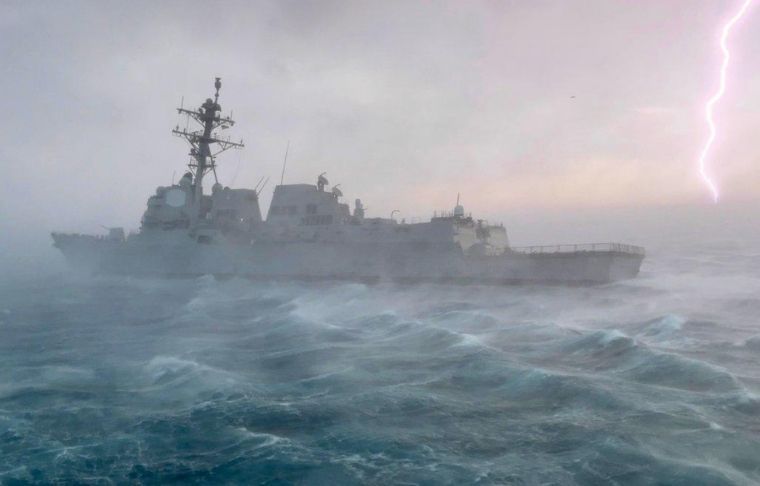
The destroyer USS Bainbridge responded and took the lead in managing the situation, shifting the center of activity into a broader command structure built for exactly this kind of problem. Even then, the escalation didn’t stop. The Bainbridge’s captain knew what needed to happen — but he also understood that knowing the steps is not the same as executing them in a live crisis.
Resolving the standoff required a level of specialization that didn’t sit on his ship, which is why United States Navy SEALs were brought in with a defined mandate. That decision wasn’t hesitation — it was recognition. At each stage — ship to Navy to SEALs — the same judgment was applied: the situation had changed, and with it, who was best equipped to solve it.
A similar pattern shows up during business transitions, but it’s rarely recognized in the moment. Early in the journey, the wealth advisor is the primary point of control. Planning, tax strategy, and estate structuring all take place in an environment where time is available, coordination is manageable, and decisions can be made deliberately. As the process moves toward execution, anyone with basic research skills can outline the steps — prepare the company, engage a banker, run a process, negotiate terms, close. That familiarity can create a false sense that the situation is understood — and that’s often where mistakes start.
That separation becomes clear once the process goes live. Timelines compress, information is incomplete, and multiple parties — each with their own incentives — begin driving the pace and direction of decisions. What looks orderly on paper rarely unfolds that way in practice, and the gap between knowing the sequence and executing within it starts to widen. Familiarity, which works well in a planning environment, begins to show its limits in an execution environment.
This is where situations start to drift — not because the wealth advisor lacks intelligence or intent, but because this is outside their core experience. It’s not the time to freelance. At that point, the critical question is no longer whether someone understands what should happen next, but whether they recognize who should be driving it—and whether they can respond with the judgment and expertise the moment requires.
Recognizing the situation is one thing. Responding effectively under pressure is something else entirely.
The Bainbridge had armed personnel on board, but that didn’t make them the right resource for that moment. The captain made the call and brought in the specialists — he understood the difference between knowing what needed to be done and being the one to do it. He assessed the situation, recognized what it demanded, and acted decisively while maintaining control of the broader context. That’s the distinction that matters.
Most advisors can think of a situation where that line only became clear in hindsight. Almost anyone can describe the steps — but far fewer recognize when the situation requires something, and someone, different.
© 2026 Stuart A. Smith III. All rights reserved.